
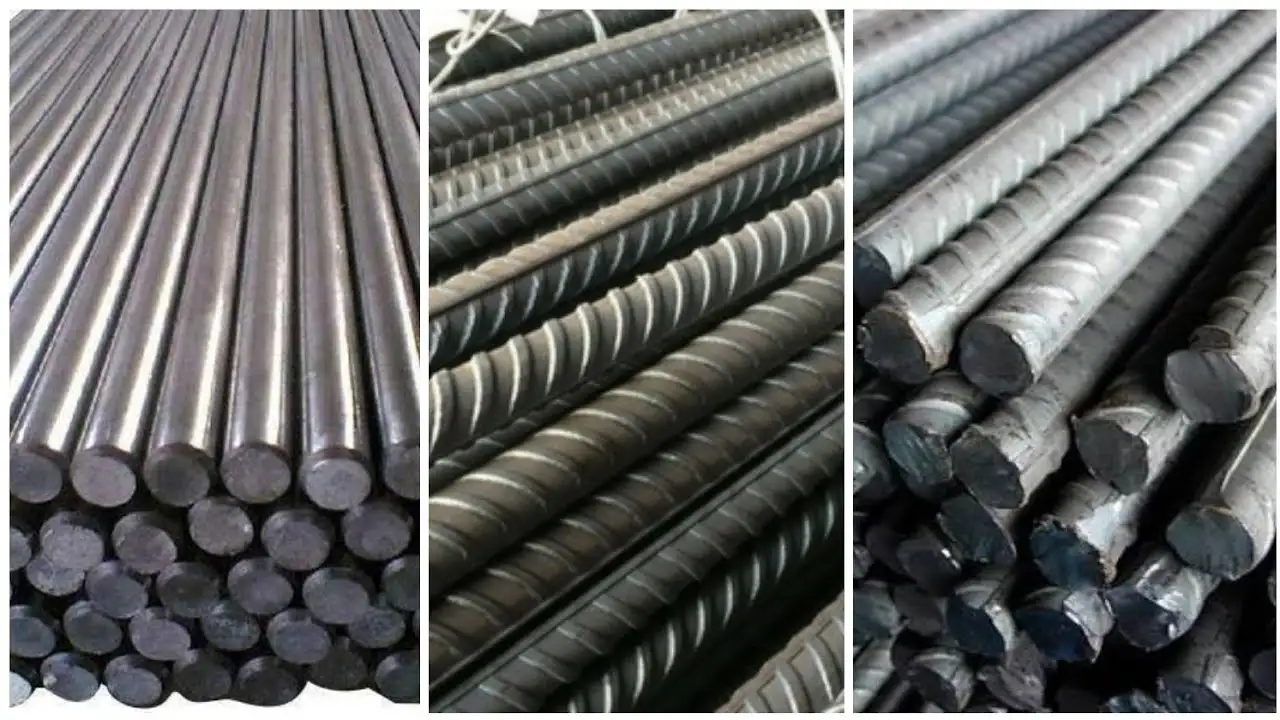
Rebar is short for reinforcing bar. It is one of the most important components in modern construction. But various project managers neglect it. However, these steel bars form are the basic part of concrete structures. It is used in all types of development projects. It can be used for residential, commercial, industrial, and other projects.
That is why you need to understand all about the uses of Rebar in construction. If you are worried about managing it under budget. You can get a precise Rebar estimation from a reliable company. They will help you provide accurate cost estimates of elements according to the project’s needs. This way, you will not have to face budget overruns.
Understanding Rebar
Rebar is a steel bar that is used in concrete and masonry structures. They have a ridged surface pattern called deformations. It helps them to combine with concrete. However, the most common material is:
- carbon steel
- stainless steel
- galvanized steel
- epoxy-coated steel
It comes in various sizes, which are based on numbers. The purpose of these numbers is to indicate their diameter in eighths of an inch.
Why Concrete Needs Rebar
The purpose of rebar in construction is important. Concrete is best for holding forces, but it does not perform well when it is being pulled apart.
To make it simple, when a concrete beam bends under load. The bottom part stretched, and it experienced tension. This causes cracks.
However, the steel has exceptional tensile strength. It can work well in such situations. This combination is called reinforced concrete. With the help of a qualified Concrete Estimator, you can estimate them on point.
Rebar is used for several purposes
Foundations and Footings
Each structural project requires that the foundation be properly laid, which can be made possible by the use of rebar. Foundation walls, slabs, or footings use rebar for the structural durability the material provides against complicated forces that come from building structural loads, soil pressure, or ground movement, which can be generated by seismic activities or the presence of expansive soils.
Structural Slabs and Floors
Reinforcement with rebar is necessary for concrete floor slabs that have to span from support points. Residential floor slabs always need rebar mesh for support against gravity. Commercial structures need floor slabs designed for machinery, material, and road vehicles.
Columns and Beams
In concrete, the structural framework consists of vertical columns and horizontal beams. Columns are reinforced by horizontal ties surrounding vertical rebar to counter compression forces. In beams, rebar must be focused at the bottom where the greatest tensile forces occur, but supplementary rebar near the top may be needed, depending on the type of supports.
Walls and Retaining Structures
Concrete walls, especially those that retain soil or water, are subject to considerable force that results in both compression and tension. Reinforcing retaining walls with strategically placed rebar resists the lateral earth pressure, while basement walls must be reinforced to support vertical loads combined with horizontal soil pressure.
Types of Rebar and Their Specific Uses
1) Carbon Steel Rebar
The most widely used and most economical variety. But it is prone to rust if it comes into contact with water and chlorides.
2) Epoxy-Coated Rebar
Has protective coating that serves to greatly enhance its lifespan in adverse environments. Though more expensive, it is often used for deck structures, parking garages, and marine projects.
3) Galvanized Rebar
Zinc coating offers high resistance to corrosion. It can form a sacrificial layer to protect the steel even if it gets damaged.
4) Stainless Steel Rebar
Offers the highest level of durability when corrosion protection is the most important consideration. However, the cost of the material does not allow for its use, except in critical applications or where the structure intended to be made has a lengthy service life in a highly corrosive environment.
Benefits of Using Rebar
Better structural strength is the major advantage. It allows reinforced concrete to stand over longer spans and resist heavier loads than ordinary concrete. Such a property offers the opportunity for structures with architectural features that would otherwise not be economically viable.
It becomes much more durable and has an extended lifespan when reinforced appropriately. Such structures have the potential to remain for decades or even centuries without much maintenance.
Control of crack development is another important advantage. As concrete will always develop some degree of crack patterns, it will assist in providing several minute, harmless fractures as opposed to a few wide ones, which can be destructive. Earthquake and wind-resistant properties are important in steel-reinforced concrete, as they are capable of withstanding earthquakes.
Conclusion
The use of rebar in construction is not merely confined to reinforcing concrete. It is an imperative technology that has influenced the development of our modern cities and helped create structures that define our cities and bind our communities. The purpose and appropriate use of rebar in concrete construction can ensure that concrete structures last for their intended life span.